 Visit MrsMakeup Ireland
Clean makeup is one of the most searched terms in beauty right now — and one of the least regulated. Any brand can print the word "clean" on their packaging without meeting a single defined standard. There is no UK or EU regulation that determines what clean makeup must or must not contain. There is no certification body that verifies the claim before it goes on the shelf. It is a marketing word, and it is being used like one.
That matters because shoppers searching for clean makeup in the UK are not looking for better packaging or a more botanical-sounding brand name. They are looking for products free from ingredients linked to hormone disruption, microplastic contamination, and carcinogenic potential. That is a legitimate and specific need — and the industry has learned to dress up conventional formulas in language that sounds like it meets it, without the formula actually changing.
This article is about how that works, how to see through it, and what genuinely clean makeup actually looks like — including what it costs, which is often considerably less than you might expect.
The Price Illusion
In most product categories, a higher price genuinely signals better quality. In cosmetics, it often signals a bigger marketing budget and not much else. Premium pricing in beauty is one of the most effective tools in the industry — it creates an assumption of superior ingredients, superior safety, and superior performance that the formula itself frequently does not support.
The most effective way to illustrate this is with a real example. Here is a comparison we ran from our own ingredient review:
Same job. Very different ingredients. Very different price.
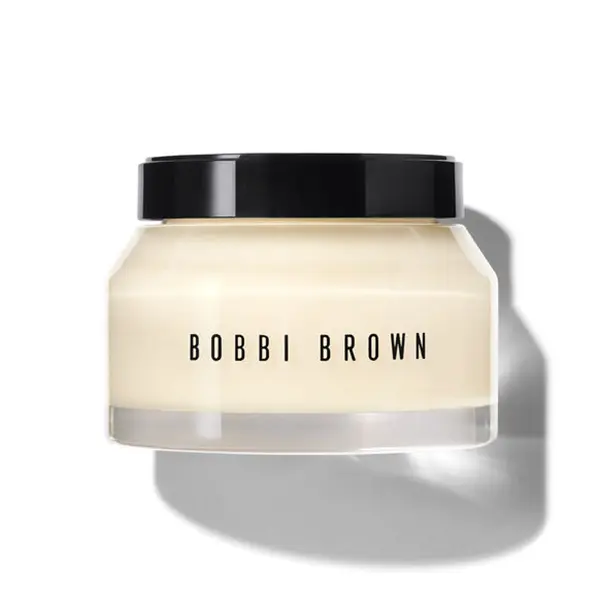
Bobbi Brown Vitamin Enriched Face Base+
£45+ / 50ml
✗ Hard flag: Polyethylene — microplastic
Soft flags: 9 EU fragrance allergens, BHT, Chlorphenesin, Methyl Methacrylate Crosspolymer
Verdict: fails our standard. Hard flag alone disqualifies it.
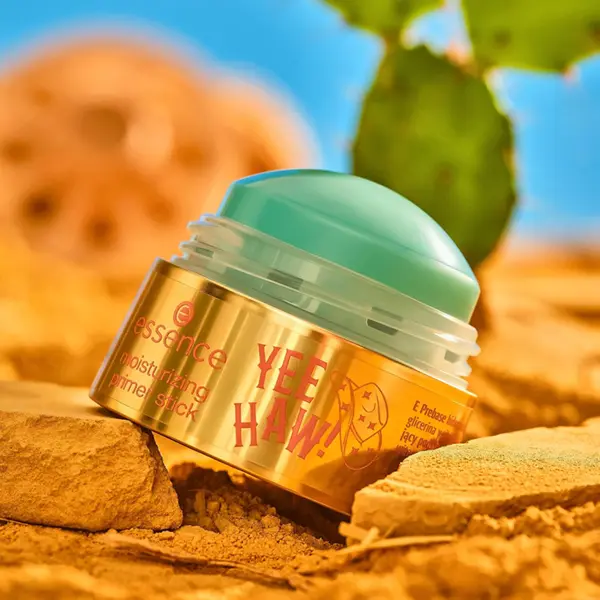
Essence YEE HAW! Moisturizing Primer Stick
£2.99
✓ No hard flags
✓ No soft flags
Verdict: passes our full standard. Recommended.
The Essence primer passes every part of our ingredient review. The Bobbi Brown contains a microplastic — Polyethylene, a hard flag under our standard and under active EU and UK regulatory review. The premium price bought better marketing, not a cleaner formula.
Bobbi Brown prices sourced from Boots.ie and Space NK IE. UK prices vary by retailer. Prices correct at time of publish: 14 September 2026.
This is not an isolated case. When we built the Mrs Makeup database we reviewed over 20,000 products across 26 makeup categories. Between 80 and 90 percent failed our ingredient standard. Premium-priced products failed at the same rate as budget ones — sometimes worse.
Amazon makes this worse in a specific way. A large proportion of listings on Amazon.co.uk are sold not by the brand directly but by third-party sellers — independent retailers who source products and list them at their own prices. Some of those prices are marked up by as much as four times what the product costs elsewhere. The listing looks identical to an official brand listing. It may have hundreds or thousands of reviews. It often carries a Prime badge. None of that tells you the price is fair — it just tells you people bought it without checking. We flag this where we see it in our recommendations.
The Label Game — How "Clean" Gets Faked
The word "clean" on a makeup product costs nothing to add. There is no UK or EU regulatory body that reviews the claim before the product reaches the shelf. A brand can print "clean beauty", "clean formula", or "cleanly made" on any product — regardless of what is actually inside it.
The same applies to "natural", "organic" (unless the product carries a genuine third-party certification like COSMOS or NATRUE), "non-toxic", "green", and "conscious". These are marketing descriptors, not regulated categories.
The most common pattern we see is selective "free from" marketing — a product prominently advertising that it is paraben-free and sulphate-free, while the formula contains PFAS, microplastics, or a heavy fragrance allergen load. The brand has removed two ingredients shoppers recognise as concerns, highlighted those removals loudly on the front of the pack, and left everything else untouched. It looks like progress. It is not.
The Hidden Ingredient Problem
A significant number of brands list incomplete or shortened ingredient lists on retail platforms — Amazon in particular. A full cosmetic formula might contain 40 ingredients. The Amazon listing shows 25. The ingredients most likely to trigger a concern tend to be the ones that go missing. This is not always accidental. Ingredient filters on clean beauty platforms work by scanning listed ingredients. A product with a shortened listing clears filters that the full formula would not pass.
We encountered this repeatedly when building the Mrs Makeup database. Products that appeared borderline on an Amazon ingredient listing failed clearly when we tracked down the full INCI from the brand's own site or a third-party retailer. The practical implication: never rely on an Amazon ingredient listing as your only source. Find the brand's own product page and read the INCI from there. Better still — paste it into our Beauty Assistant and let it check the full list against our flag standard for you.
What Genuinely Clean Makeup Actually Means
At Mrs Makeup, our hard flag list — ingredients that automatically exclude a product from our recommendations — covers:
- Parabens — propylparaben, butylparaben, methylparaben, ethylparaben
- Microplastics — Polyethylene, Nylon-12, Nylon-11, Polypropylene, PMMA and related
- PFAS — PTFE and fluorinated compounds (excluding synthetic fluorphlogopite)
- Formaldehyde releasers — DMDM Hydantoin, Imidazolidinyl Urea, Quaternium-15
- MIT / MCI — Methylisothiazolinone and Methylchloroisothiazolinone
- D4 — Cyclotetrasiloxane (EU banned)
- Phthalates — DBP, DEHP, DEP
- Oxybenzone — UV filter with endocrine disruption concerns
For a deeper look at specific ingredient categories, our non-toxic makeup guide covers the full picture. If sensitive skin is your primary concern, our makeup for sensitive skin guide covers fragrance-free formulas that pass our review.
Not sure which products to trust?
Our Beauty Assistant checks ingredients, flags problem formulas, and finds clean alternatives — just ask.
Frequently Asked Questions
No. Neither UK nor EU cosmetics regulation defines "clean" as a product category. The UK Cosmetics Regulation sets safety requirements and restricts or bans certain ingredients, but does not regulate the use of the word "clean" on packaging. Any brand can use it freely, with no verification required.
No — and in our experience reviewing over 20,000 products, often the opposite. Premium pricing in cosmetics reflects brand positioning, packaging, and marketing spend far more reliably than it reflects ingredient quality.
Not as your only source, no. Amazon ingredient listings are frequently incomplete. Always cross-reference with the brand's own product page before relying on an Amazon listing for ingredient decisions.
It tells you two specific ingredients are not in the formula — and nothing more. A product can be genuinely free from parabens and sulphates while still containing PFAS, microplastics, or a heavy fragrance allergen load.
Paste the ingredient list into our Beauty Assistant — it checks against our full flag standard and tells you what, if anything, raises a concern. Find the full INCI on the brand's own product page rather than Amazon for the most complete list.