 Visit MrsMakeup Ireland
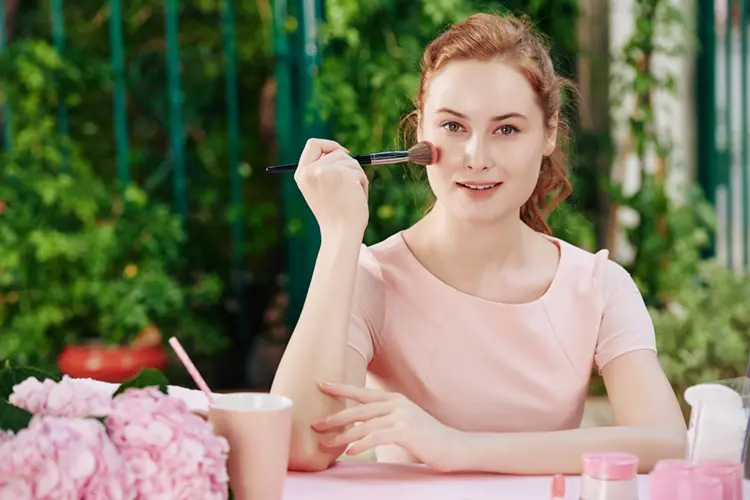
Hot weather and makeup have always had a complicated relationship. Whether you are heading to a summer wedding, a festival, or simply trying to look put-together on a warm commute, the moment temperatures rise and humidity kicks in, most foundations start their slow, inevitable slide toward your chin.
The good news is that keeping your makeup intact in the heat is less about finding a miracle product and more about understanding why makeup moves in the first place — and building your routine to fight back at every stage.
Heat and humidity do not ruin makeup. They expose the weak points in a routine that was never built to handle them. Fix the routine, and the makeup holds.
Why Makeup Melts in Heat and Humidity
Understanding the problem makes the solution obvious. Makeup moves in warm weather for two reasons working in combination: heat softens the waxes and oils that bind most cosmetic formulas, and sweat and sebum create a slippery surface underneath the makeup that gives it nothing solid to grip. The result is that even a foundation with decent staying power in cool conditions will start to slide once body temperature rises.
Humidity compounds this by preventing sweat from evaporating normally, leaving a layer of moisture sitting on the skin surface. Most standard foundations were designed for dry application onto dry skin — that is the mismatch hot weather exposes.
Hot Weather Makeup: Do and Don't
Not sure which products to trust?
Our Beauty Assistant checks ingredients, flags problem formulas, and finds clean alternatives — just ask.

The Five-Step Hot Weather Routine
Prep Your Skin First
The most common mistake in hot weather is trying to fix longevity at the foundation stage when it actually starts at skincare. Swap to a lightweight gel moisturiser or water-based serum — these hydrate without creating the slippery surface underneath makeup that rich creams leave behind. Give skincare at least five minutes to absorb before reaching for primer; ten minutes on very warm days.
Prime — It Is Not Optional in the Heat
Primer earns its keep in warm weather more than any other season. It fills pores and texture so foundation has a smoother surface to cling to, and creates a barrier layer that slows the transfer of sweat and sebum upward into the foundation. For oily or combination skin, a mattifying primer on the T-zone is the single most useful product in a summer routine. For normal or dry skin, a smoothing primer still adds a valuable grip layer without flattening the finish.
Apply Foundation in Thin Layers
One thick coat of foundation is the enemy of hot-weather longevity. A heavy application sits on top of the skin rather than bonding with it — when it starts to move, it moves all at once. Apply your first layer with a damp sponge, pressing the foundation into the skin rather than dragging across the surface. Let it sit for thirty seconds before building any additional coverage on top the same way. Thin layers grip each other and stay far more stable throughout the day.
Set in Zones, Not All at Once
Setting powder is essential in warm weather, but how you apply it matters as much as whether you apply it. Dust a light layer of finely milled translucent powder all over immediately after foundation, then press — not dust — a slightly heavier amount specifically into the T-zone, under the eyes, and around the nose and mouth. These are the areas that move first. Giving them extra attention without powdering the whole face heavily keeps the finish looking natural rather than cakey.
Seal with a Setting Spray
Setting spray is the final protective layer that binds everything together and adds water resistance to the finished look. Mist from roughly thirty centimetres away in two or three light passes in an X and T motion across the face. In very humid conditions, a second mist of setting spray over blotted makeup midway through the day refreshes and re-seals the look far more effectively than adding more powder, which sits heavily on top of moisture rather than absorbing it.

Choosing the Right Products for Hot Weather
Beyond technique, the type of product you reach for makes a real difference in the heat. A few category swaps have an outsized effect on how long everything holds.
✦ Powder Over Cream for Cheeks and Eyes
Cream blush, cream bronzer and cream eyeshadow look beautiful in cooler conditions but are significantly more likely to crease, migrate and melt in warmth. Swapping to powder formulas for these steps during summer keeps colour in place far longer without any compromise in the finished look.
✦ Waterproof Mascara and Liner — Always
Mascara and eyeliner are the two products most visibly affected by heat and humidity. Waterproof and water-resistant formulas for both are non-negotiable in summer. Tightlining the upper waterline with a kohl pencil rather than applying liner to the upper lid also reduces the amount of product exposed to movement and sweat.
✦ Eye Primer Before Any Eye Makeup
The eyelid is one of the warmest, most mobile surfaces on the face — which is why eye makeup deteriorates faster than face makeup in the heat. A dedicated eye primer applied across the lid and blended to the brow bone gives eyeshadow and liner a textured surface to grip. It takes thirty seconds and extends the life of eye makeup significantly.

Midday Fixes Without Ruining Your Base
Even the best-prepared base will need some attention during a long, hot day. The key is knowing what to reach for without making things worse.
✦ Blotting Papers First, Always
Before doing anything else at a midday touch-up, blot gently to absorb excess oil and moisture. Do not rub — press lightly and lift. This removes the slippery surface layer that causes any subsequent product to slide rather than grip.
✦ Setting Spray Over a Light Powder Dusting
After blotting, a light mist of setting spray often refreshes the look without the risk of adding too much powder. If shine is still present after the spray dries, a very light dusting of translucent powder pressed into the oiliest areas is the next step — not a full reapplication.
✦ Targeted Concealer, Not Fresh Foundation
Applying fresh foundation over makeup that has already shifted rarely blends smoothly and usually makes uneven coverage more visible rather than less. Targeted concealer on any areas that need it, blended carefully with a damp sponge, is a far better approach than re-laying the whole base.

For ingredient-checked foundation picks that hold up in UK heat and humidity, see our guide to long-wear foundations that survive the UK weather.
Makeup for Hot Weather — Frequently Asked Questions
The most effective approach is layering protection: start with a mattifying or pore-minimising primer, apply foundation in thin pressed layers rather than one thick coat, set with a translucent powder focusing on the T-zone, and finish with a setting spray. Each layer adds resistance to heat and humidity rather than relying on any single product to do all the work.
In humid conditions, oil-free and water-resistant formulas hold up best. A silicone or water-based primer creates a barrier between skin and foundation, and a finely milled translucent setting powder absorbs excess moisture without caking. Cream products tend to slide more than powder equivalents in high humidity, so swapping cream blush or bronzer for a powder version makes a noticeable difference.
Apply foundation in two or three thin layers rather than one thick coat — thinner layers grip the skin more effectively and are less likely to slide or separate as the day wears on. Press the product into the skin with a damp sponge rather than dragging, and always finish with a setting spray to bind everything together.
Yes, significantly. A primer creates a layer between your skin and foundation that reduces direct contact with sweat and sebum. In hot or humid conditions, a mattifying primer is the most useful choice — it controls oil production at the surface before it has a chance to break down your base throughout the day.
Heavy full-coverage liquid foundations are the most likely to slide in heat — the thicker the formula, the more surface area there is to move. Cream blush, cream bronzer and cream eyeshadow tend to crease and migrate in warmth. Glitter and chunky shimmer particles travel into fine lines more noticeably when skin is warm and slightly damp. Oil-based illuminating primers add to the surface lubrication that makes makeup slide.
Blotting papers are the most effective midday fix — they absorb excess oil and moisture without disturbing the base the way pressing more powder over a damp face can. After blotting, a light mist of setting spray refreshes the look and rebinds makeup that has shifted slightly. Avoid applying fresh foundation over a shifted base — targeted concealer where needed is a much cleaner fix.
Both serve different purposes and work best used together. Setting powder absorbs oil and creates a physical barrier. Setting spray seals the whole look on top, prevents the powdery finish from looking dry or cakey, and adds a layer of water resistance. Using one without the other leaves the job half done.
Prime the eyelid first with a dedicated eye primer or a small amount of concealer set with powder — this gives shadow and liner something to grip rather than sliding on bare skin. Waterproof or water-resistant formulas for mascara and liner make the biggest practical difference, and tightlining the upper waterline with a kohl pencil rather than applying liner to the lid reduces the surface area most exposed to movement and moisture.